

 Hexavalent chromium (Cr(VI)) can be generated during industrial processes where chromium-containing materials are subjected to high temperatures or other conditions that promote the formation of chromium compounds in the hexavalent state. It can also be present directly in certain chromium-containing products, coatings and process chemicals.
Workplace activities associated with potential Cr(VI) exposure include:
- Welding and hotworking of stainless steel
- Welding and hotworking of high-chromium alloys
- Working with chrome-coated metals
- Chrome electroplating
- Smelting of chromium-containing ores
- Certain refractory manufacturing processes
- Processes involving chromates, dichromates or chromic acid
SafeWork NSW identifies welding and hotworking of stainless steel, high-chromium alloys and chrome-coated metals as activities that can release Cr(VI). Safe Work Australia's own research has similarly identified welding of stainless and chromium-plated steel, and machining of stainless steel, among workplace activities associated with probable Cr(VI) exposure.
The presence of chromium in a material doesn't automatically mean Cr(VI) will be present - the material type, the process involved and the conditions it's processed under all influence the form of chromium generated. For workplaces using or processing chromium-containing materials, understanding where Cr(VI) may form can help identify situations where further investigation or screening may be worthwhile.
Not reliably. Chromium-containing deposits or residues can vary in colour and appearance depending on the material and process involved, so a visible deposit shouldn't be assumed to be Cr(VI) and the absence of visible contamination doesn't necessarily mean Cr(VI) is absent.
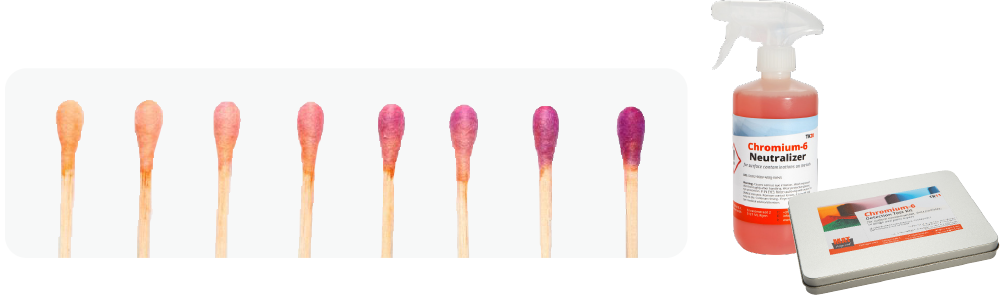
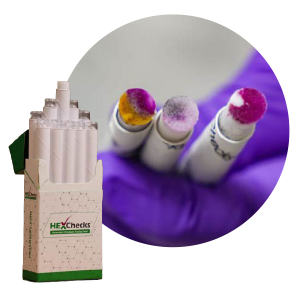
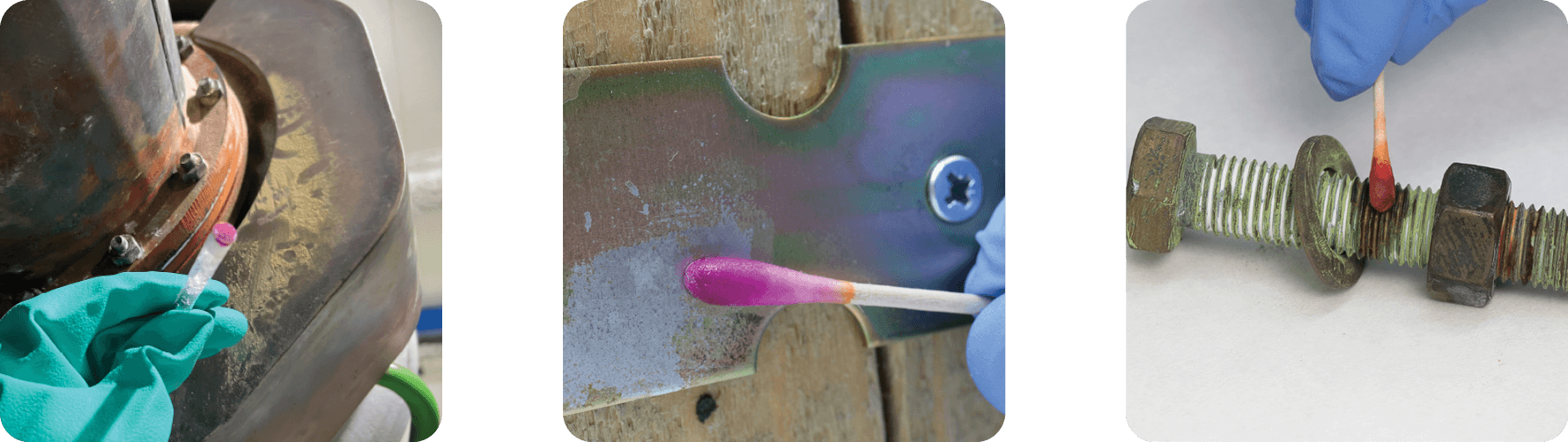
Where suspect residues, dust, deposits or surface contamination are encountered, field screening with test swabs can provide a rapid way to check for the presence of Cr(VI). This is particularly useful when investigating equipment, components or surfaces before maintenance or other work that may disturb potentially contaminated material.
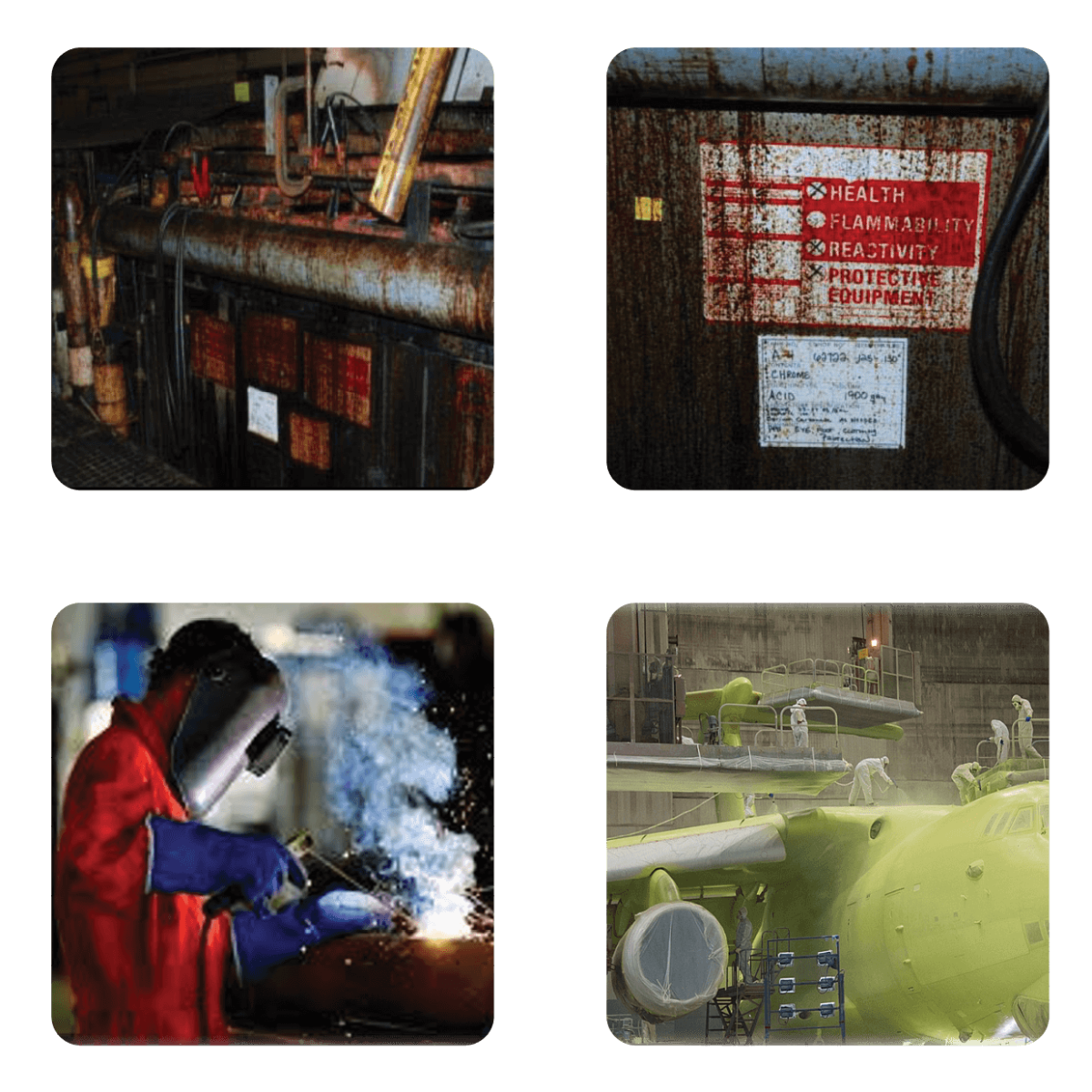
A few examples of equipment and applications where Cr(VI) contamination is worth considering:
Welding and Fabrication
Welding, cutting and hotworking of stainless steel and high-chromium alloys can generate fumes containing chromium compounds. These are among the tasks Safe Work Australia's research has associated with probable Cr(VI) exposure.
High-Temperature Process Equipment
Chromium-containing alloys are widely used in high-temperature industrial applications. Where components have been exposed to elevated temperatures, any resulting deposits, scale or residues may warrant further investigation if Cr(VI) contamination is suspected.
Flare and Exhaust Systems
Industrial flare, exhaust and heat recovery systems can contain chromium-bearing components and operate under high-temperature conditions. Where maintenance activities involve removing deposits or disturbing surfaces, Cr(VI) may be a consideration depending on the materials and process involved.
Boilers, Heat Recovery and Associated Equipment
Boilers, heat recovery equipment, ductwork and other high-temperature systems may contain chromium-containing components. Maintenance or cleaning activities involving accumulated deposits or residues can create situations where surface screening may be useful.
Coatings, Plating and Other Chromium Processes
Cr(VI) may also be encountered in chrome plating, chromate-containing coatings, pigments and other processes involving chromium compounds.
The presence of chromium-containing materials does not automatically mean that Cr(VI) is present. Where there is a reason to suspect Cr(VI) contamination, appropriate screening or analytical methods can help determine whether further action is warranted.
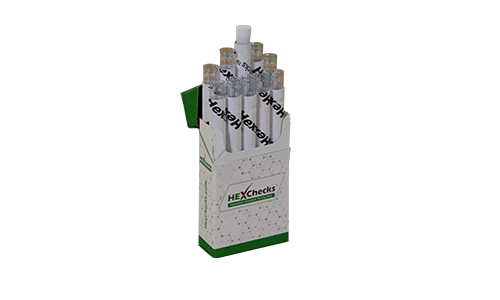
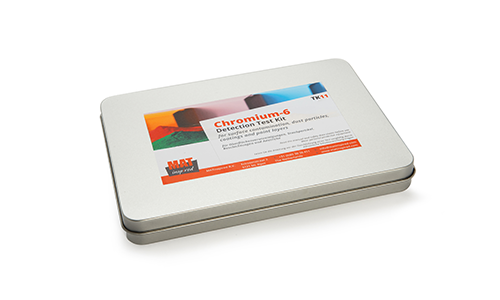
MatInspired Chromium-6 Detection Test Kit
A detection kit for surface contamination, dust particles, coatings and paint layer detection of chromium-6
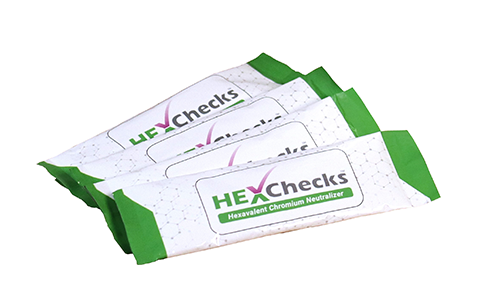
HexChecks Neutraliser Solutions
Designed for instant neutralisation of Cr(VI) on suitable surfaces
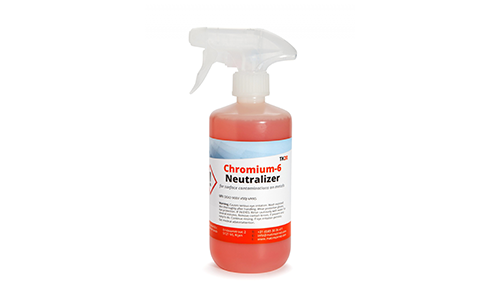
Matinspired Chromium-6 Detection Neutraliser
A liquid that neutralises and removes chromium-6 surface contamination on metals
Date and Time
Mon. 24 Aug 2026
Location
Australia