According to Safe Work Australia, the Code is the ‘first Code of its kind in the world, [and] provides practical guidance to assist employers with protecting workers and others from exposure to biological hazards in their workplace.’
The term ‘biological hazards’ is defined within the Code to include a wide range of substances and agents of biological origin that pose a risk to human health including, but not limited to:
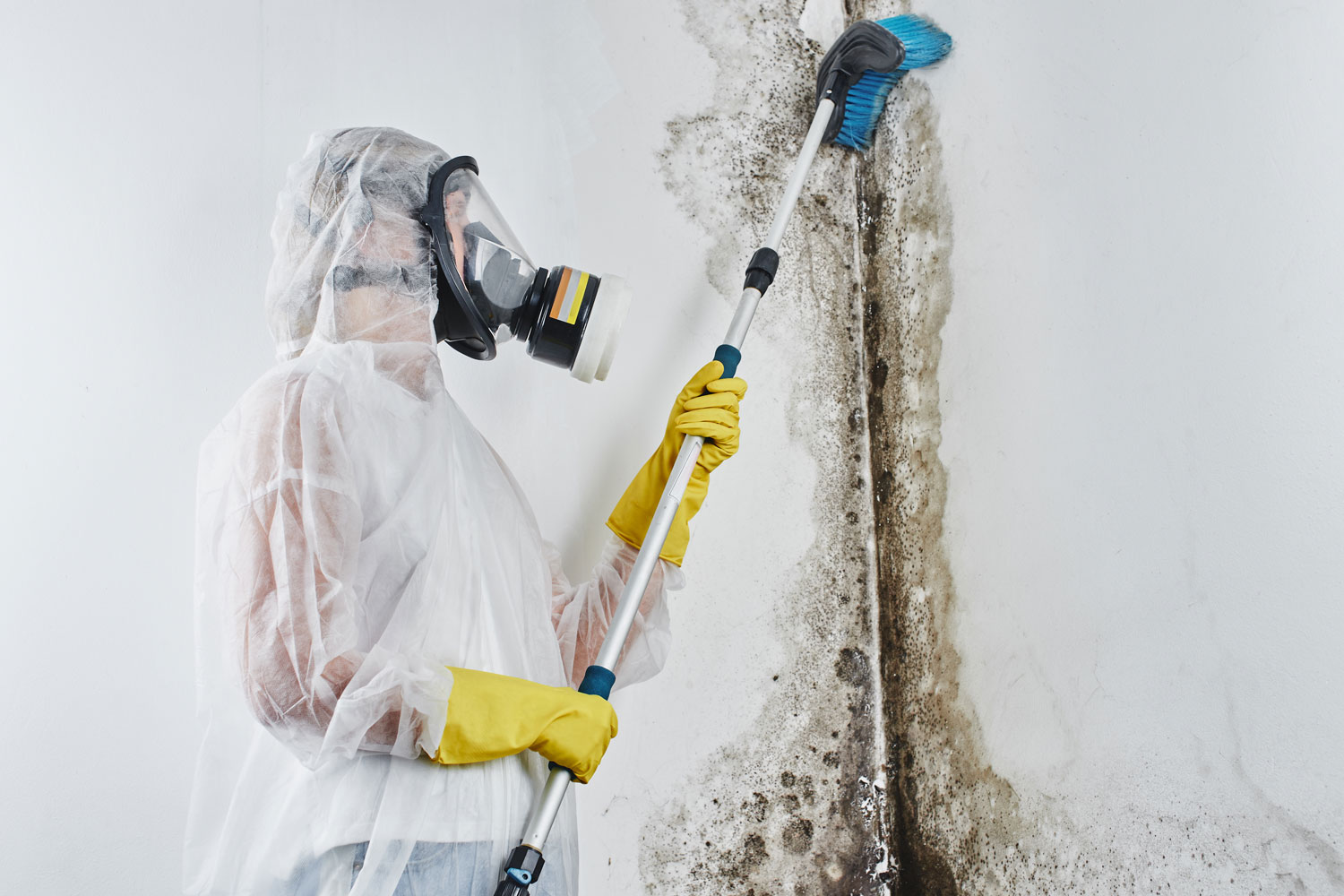
Pathogens such as viruses, bacteria, parasites, prions and some types of fungi (including mould)
Allergens, irritants and toxins such as organic dust, sap and venom
Since the term ‘biological hazards’ is a broad categorisation of many different biological substances and agents, the risk to health is dependent on the specific substance a worker is exposed to. Accordingly, the Code addresses risks related to biological hazards from sources such as:
Another person
An animal
Human and animal biological material
A vector such as mosquitoes or ticks
Contaminated material
Organic material
While the Code covers a very broad range of different hazards, this article will focus on the implications of the Code for air quality monitoring.
Relevance of the New Code of Practice to Air Quality Monitoring
The Code reinforces the importance of air sampling and monitoring to identify, manage and control biological contaminants. Workers are often exposed to biological hazards through inhalation of airborne contaminants such as viruses, bacteria, fungi (mould) and organic dusts.
The health effects of airborne exposure depends on the specific biological hazard. However, common symptoms of airborne exposure include:
Infection or disease due to pathogens
Respiratory conditions such as asthma
Neurological and cognitive harm
Allergic reactions and irritation
Due to the severe potential health impacts caused by exposure to airborne biological hazards, air monitoring is an essential step toward protecting workers.
Monitoring Airborne Biological Hazards
Air monitoring assists all levels of risk management including identification, management and control of risks associated with airborne biological contaminants. Exposure limits for certain biological hazards are prescribed under the Workplace exposure standards for airborne contaminants (WES) (soon to be replaced with the Workplace Exposure Limits as of December 2026). Compliance with these limits usually requires air sampling and monitoring to be undertaken.
Identifying Airborne Biological Hazards: Air Sampling
Air sampling is the first step in identifying what biological airborne contaminants are present and at what concentration.
Businesses should engage a certified occupational hygienist to conduct air sampling who has expertise to determine the type of sampling that should be undertaken and the instrumentation required. Engaging a professional is essential when biological hazards are being sampled as the sampling method is entirely dependent on the target substance.
Depending on the objective of the sampling program, samples may be collected for an area or an individual. For example, where mould is a concern in a building, sampling may be conducted within a certain area for a specific period of time using an area air sampling pump designed for bioaerosols such as the Tecknosys MS-CAN Bioaerosol Cassette Sampler. If personal exposure is a concern, a worker may be required to wear a personal air sampling pump such as the SKC AirChek Connect with an appropriate sampling medium. This provides a sample representative of what that specific worker is exposed to throughout their usual workday. Samples are then analysed in a lab where the substances and their concentrations can be identified.
Assessing Controls for Airborne Biological Hazards: Indoor Air Quality & Real-Time Dust Monitoring
Air monitoring is also essential in assessing the effectiveness of control measures. The type of monitoring depends on the biological hazard or risk subject to the control.
A control measure implemented by almost all workplaces is ensuring that there is adequate ventilation to prevent biological airborne contaminants from accumulating to hazardous levels within a confined space. Ventilation can be measured using versatile indoor air quality monitors such as the VelociCalc 9600 Multi-Function Ventilation Meter. Many indoor air quality monitors also record a range of different air quality parameters such as humidity and temperature which can be key risk factors in mould growth.
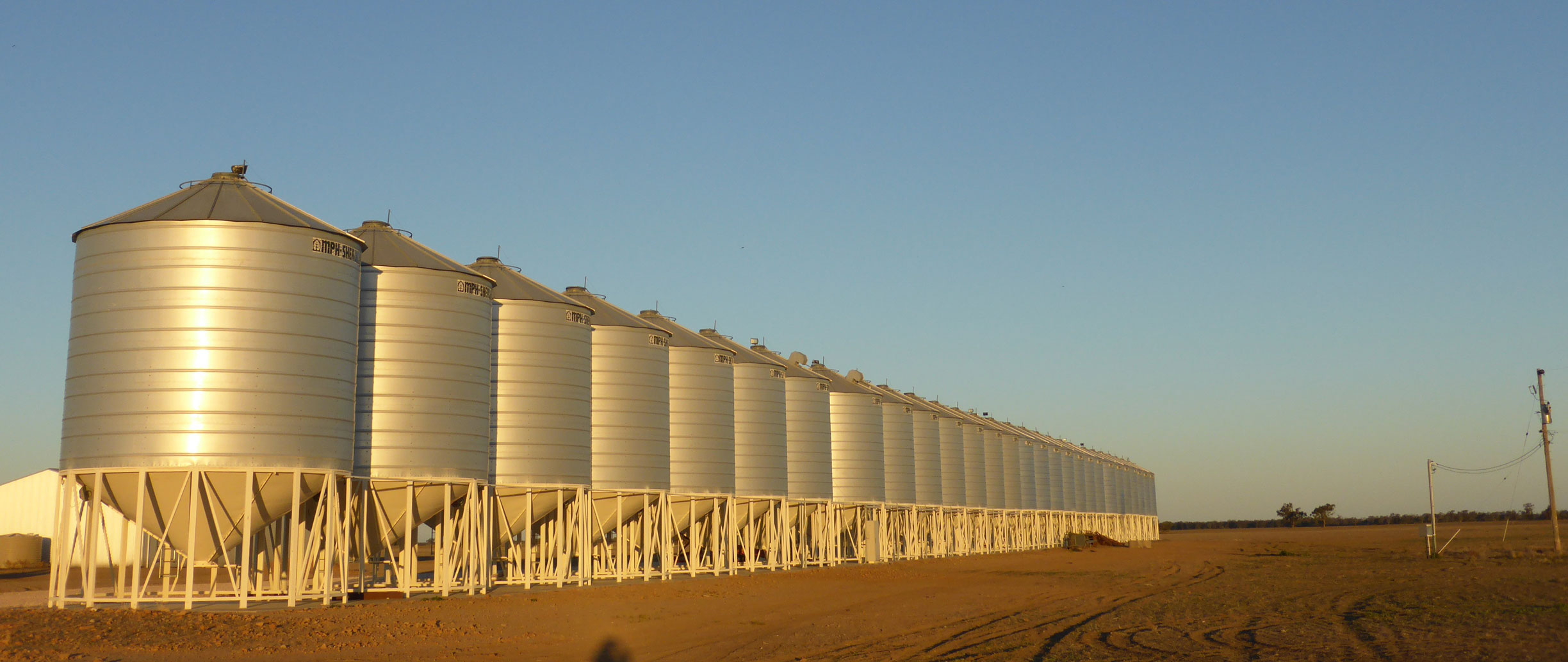
Real-time dust monitors such as the DustCanary Trend 420 can assist with determining the level of respirable dust a worker is exposed to. For example, workers in grain mills may be exposed to grain dust, a respirable bioaerosol. While real-time dust monitors do not distinguish between specific substances, they can be useful in determining which work activities result in greater exposure and whether control measures are effective.
In applications where the specific substances a worker is exposed to must be measured, air sampling to assess the control measures may be appropriate.
Assessing PPE Effectiveness: Respirator Fit Testing
Some work involves unavoidable exposure to biological hazards. For example, people working in medicine are often required to wear respirators or fitted facemasks to prevent the transmission of pathogens. Poorly fitting masks provide minimal, if any, protection from airborne biological hazards.
Respirator fit testing is necessary to ensure masks fit correctly and workers know how to properly don respiratory protective equipment for maximal protection.
Fit testing should be conducted by an accredited fit tester. Accreditation can be attained from organisations such as RESP-FIT who run comprehensive training programs. An accredited fit tester will be able to determine what kind of fit testing instrument is required. For example, a controlled negative pressure fit testing device such as the QuantiFit2 is well suited to fitted respirators whereas the AeroFit is capable of testing disposable and elastomeric respirators which are commonly used in healthcare.
Safe Work Australia published a new Code of Practice for managing the risks of biological hazards at work.
Biological hazards is a broad categorisation and includes pathogens, allergens, organic dust and more.
The Code reinforces the importance of ensuring appropriate air sampling and monitoring is conducted to protect workers from hazardous biological substances
Air monitoring for biological hazards generally involves a combination of air sampling, indoor air quality monitoring and real-time dust monitoring as well as respirator fit testing for assessing PPE effectiveness.